A Hearing Assessment Should Give You Answers, Not Obligations
Al Turri, Au.D.
Many people hesitate to schedule a hearing test because they fear it will automatically lead to hearing aid recommendations. This common concern can prevent you from addressing your hearing health and obtaining the necessary information to make informed decisions.
At our clinic, you can depend on a different approach—one rooted in honesty, education, and best practice care. While it's true that not everyone needs hearing aids, everyone deserves a clear, professional answer about their hearing health.
Why Do People Delay Getting Their Hearing Checked?
The statistics reveal a troubling trend: most people wait an average of 7 to 10 years after the first signs of hearing struggles before scheduling that crucial test.
A delay this long can have significant consequences for your health and quality of life. So why do people wait so long to get their hearing checked?
Fear of being pressured into buying hearing aids: Many worry that visiting a hearing clinic means they'll be cornered into purchasing expensive devices. You can rest assured that our focus is on your needs, not our sales quotas.
Assumption that hearing struggles “aren’t that bad”: Often, people convince themselves that their hearing loss challenges are manageable. However, ignoring these signs can lead to further deterioration.
Misunderstanding that hearing loss is just part of aging: While age can play a role in hearing loss challenges, it isn’t an inevitable part of getting older. Unfortunately, this misconception can prevent you from seeking necessary assistance.
Delaying care can have serious implications. Worsening hearing can lead to increased risks of depression, anxiety, balance issues, and even cognitive decline. By addressing your concerns early on, you give yourself a better chance of maintaining your overall wellbeing.
What to Expect at a Thrive 360 Hearing Assessment
Embarking on your hearing health journey with a Thrive 360 diagnostic evaluation means gaining valuable insights into your unique hearing profile.
This comprehensive assessment utilizes advanced testing methods, including Real Ear Measurements, to ensure your hearing devices are precisely tailored to your needs, allowing you to hear with unrivaled confidence and clarity from the moment they are fitted.
During your Thrive 360 appointment, you'll undergo 10 core assessments to evaluate your hearing:
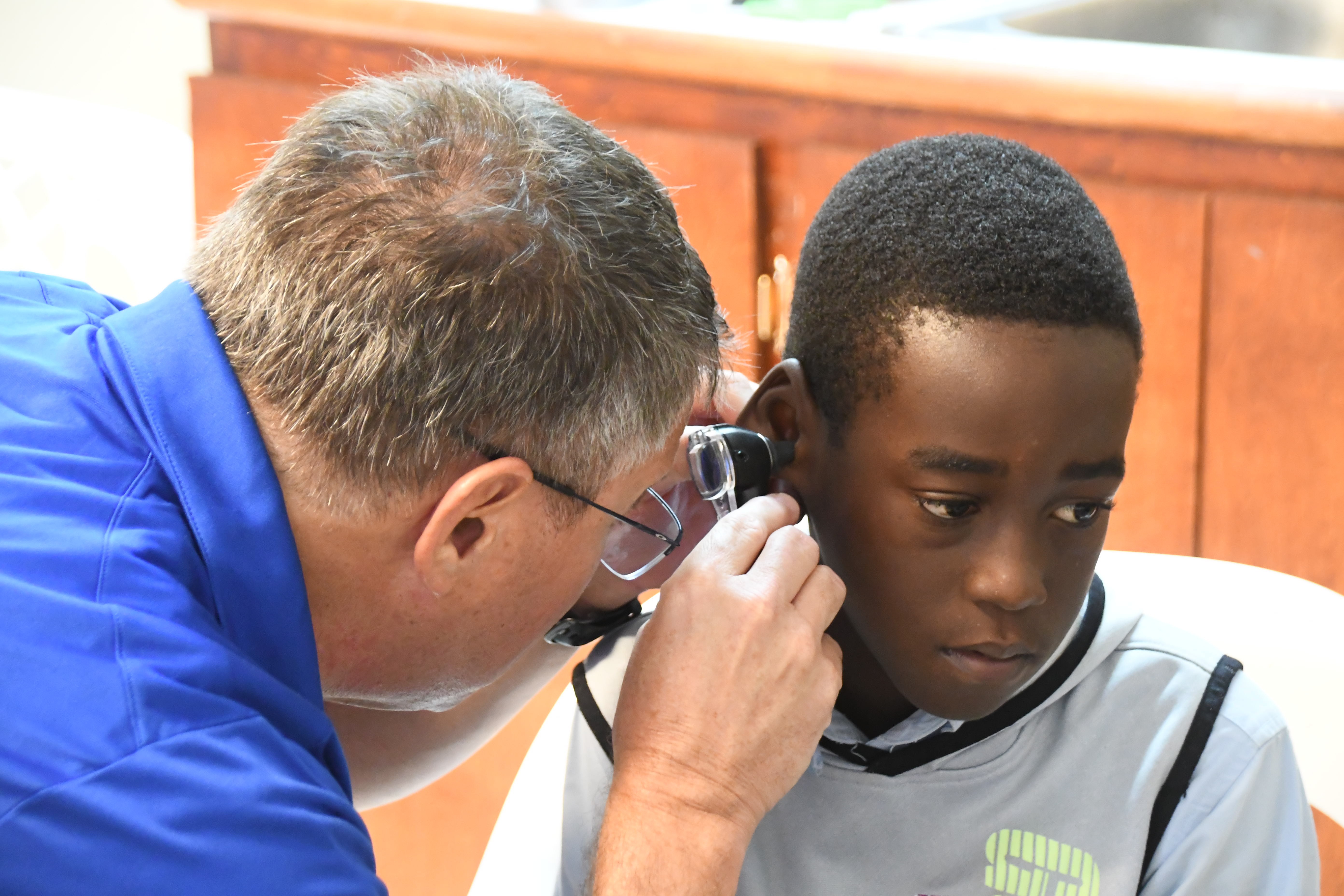
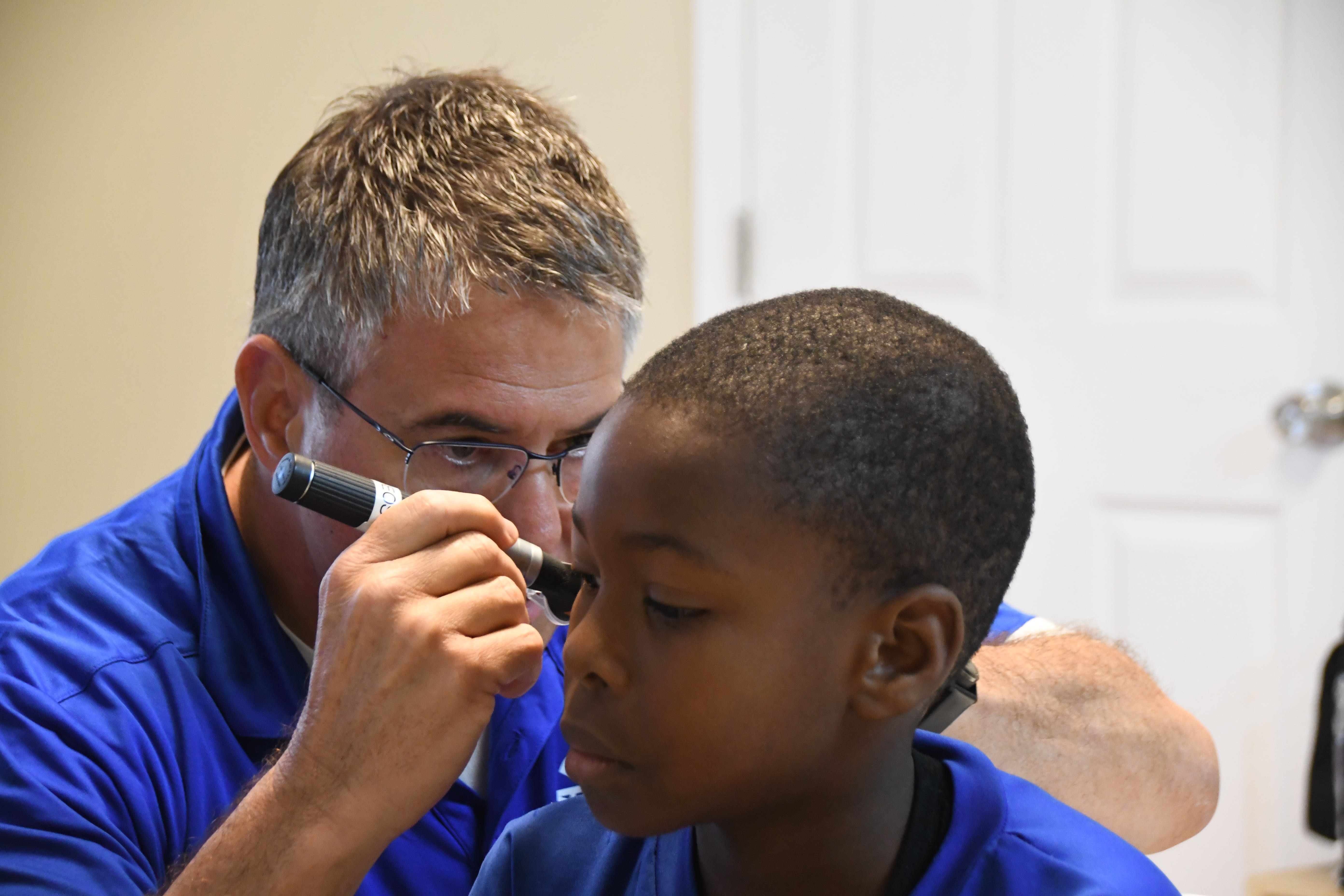
The Clean Ear Check: A gentle examination to ensure optimal ear health and check for wax blockages.
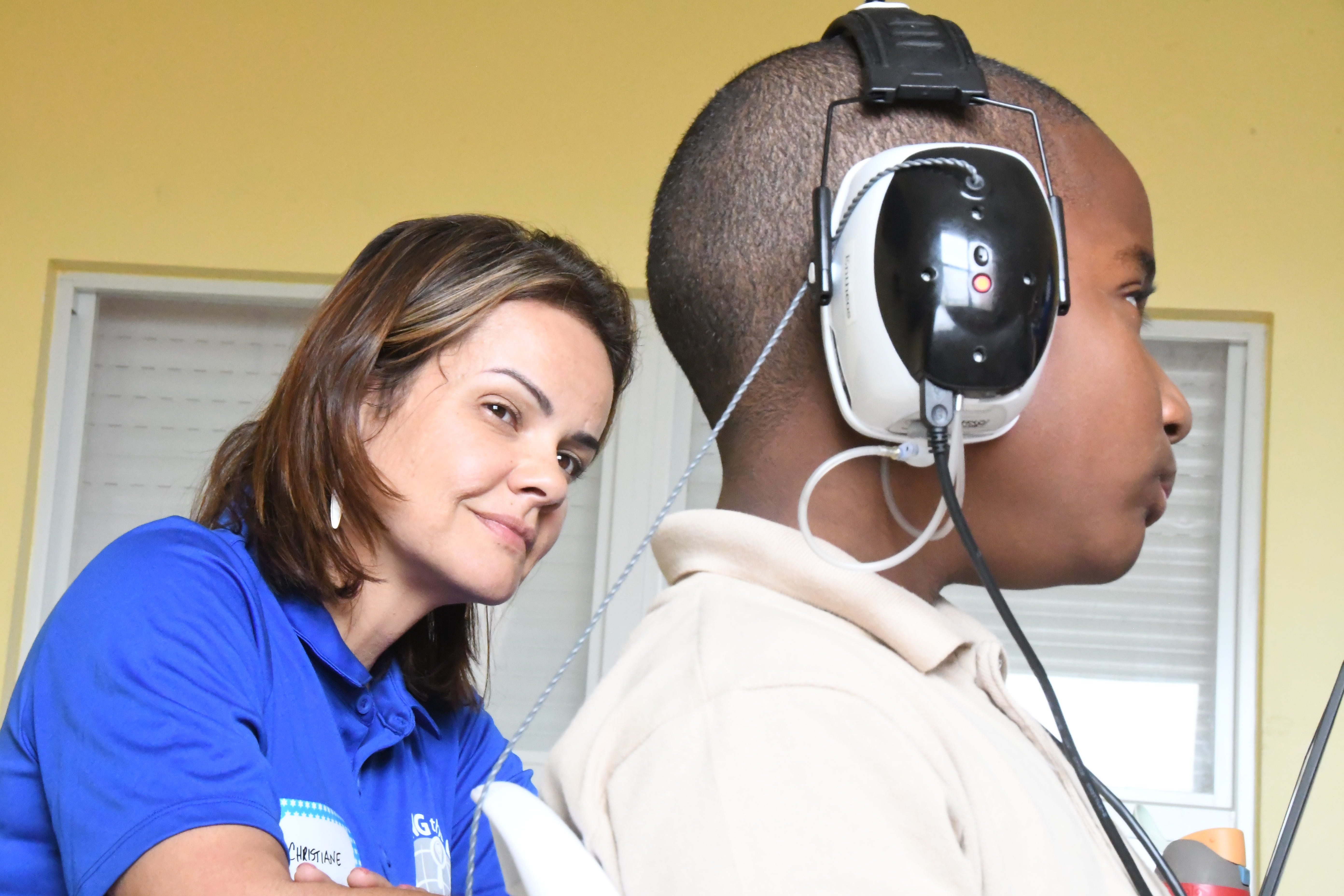
The Volume Gate: This test identifies the softest sounds you can hear, establishing your baseline sensitivity.
The Beyond Basics Test: An evaluation of your ability to appreciate music and differentiate voices in social settings.
The Quiet Conversation Measure: Assessing your capacity to comprehend speech in quiet environments.
The Noisy World Challenge: Gauging your ability to follow conversations amidst background noise.
The Ringing Reality Check: Assessing the impact of tinnitus on your daily life.
The Stability Scan: Linking your hearing health to balance and coordination.
The Rest Report: Exploring how your hearing affects your sleep quality.
The Mind & Memory Screen: Evaluating the influence of hearing health on focus and memory.
The Life Impact Profile: Understanding the overall effects of hearing challenges on your emotions and social life.
This patient-centric approach ensures you receive personalized care and accurate information about your hearing health.
Your journey doesn’t end with the Thrive 360 assessment. With membership and long-term support, you enjoy uninterrupted access to follow-ups, adjustments, and unwavering care—everything you need to guarantee optimal performance from your hearing devices.
Your hearing health is a priority, and our commitment to your lifelong wellbeing is unwavering.
When Should I Book a Hearing Assessment?
It can sometimes be challenging to know when it’s time for a hearing assessment.
Here are some common signs that indicate you might be due for a check:
You have trouble following conversations, especially in noisy environments.
You find yourself frequently turning up the volume on your TV or radio.
You feel like others are mumbling or not speaking clearly.
You often ask people to repeat themselves.
Remember, scheduling an assessment does not automatically mean you’ll be told to get hearing aids. Instead, it’s about getting real answers and understanding your unique hearing situation.